The Benefits of Sliding Shower Doors
Space-Saving Design
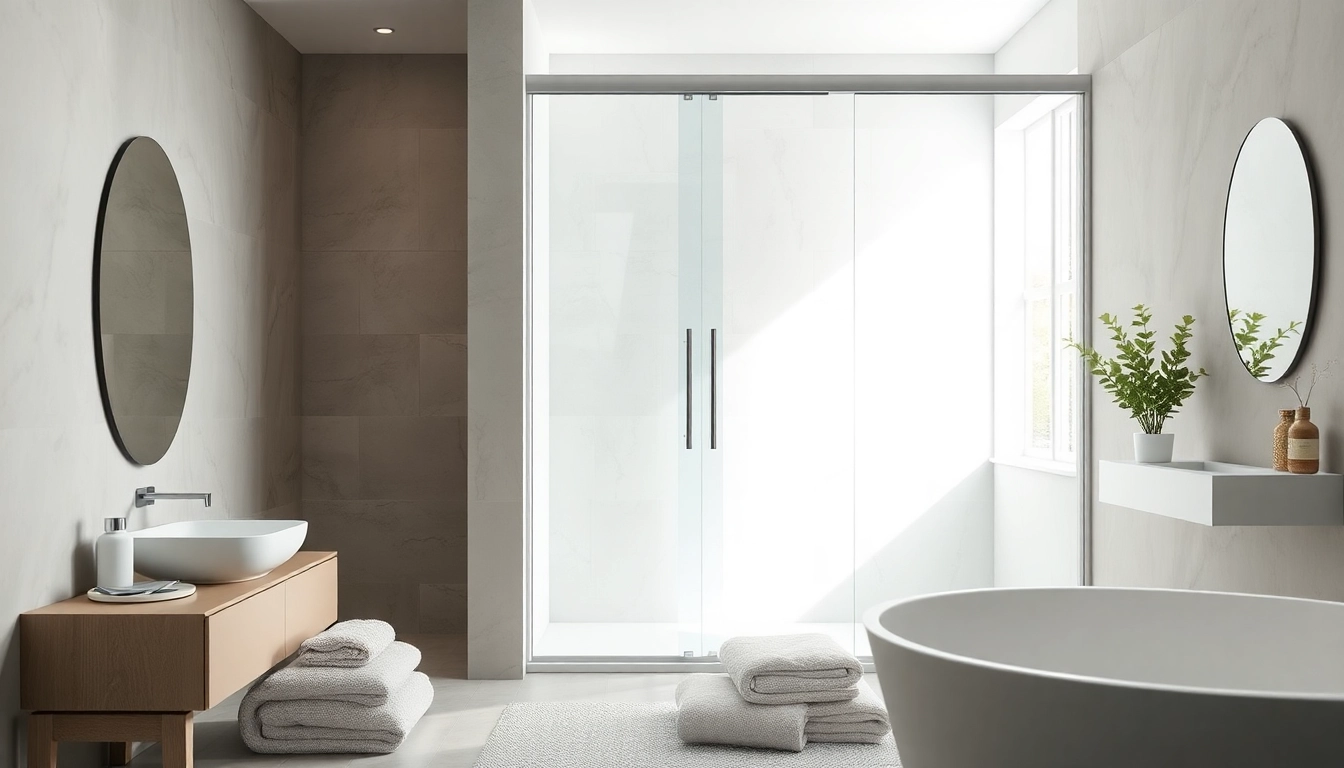
One of the most compelling advantages of sliding shower doors is their space-efficient design. Unlike traditional hinged doors that swing open, sliding doors glide along tracks, requiring minimal clearance space. This feature is particularly beneficial in smaller bathrooms where every inch counts. By eliminating the need for a doorway swing area, sliding doors provide a more open and accessible feel, making bathrooms feeling less cramped and more accommodating for various activities, from showering to storage access.
Ease of Use
Sliding shower doors are not only aesthetically pleasing but also incredibly functional. They offer ease of entry and exit, particularly for individuals with mobility challenges. The smooth operation minimizes the need for physical exertion, making it accessible for all family members, including children and the elderly. Many designs feature integrated rollers or tracks that enhance ease of use, ensuring that the doors slide effortlessly, which can be especially advantageous when balancing items like towels or toiletries in the other hand.
Enhanced Aesthetics
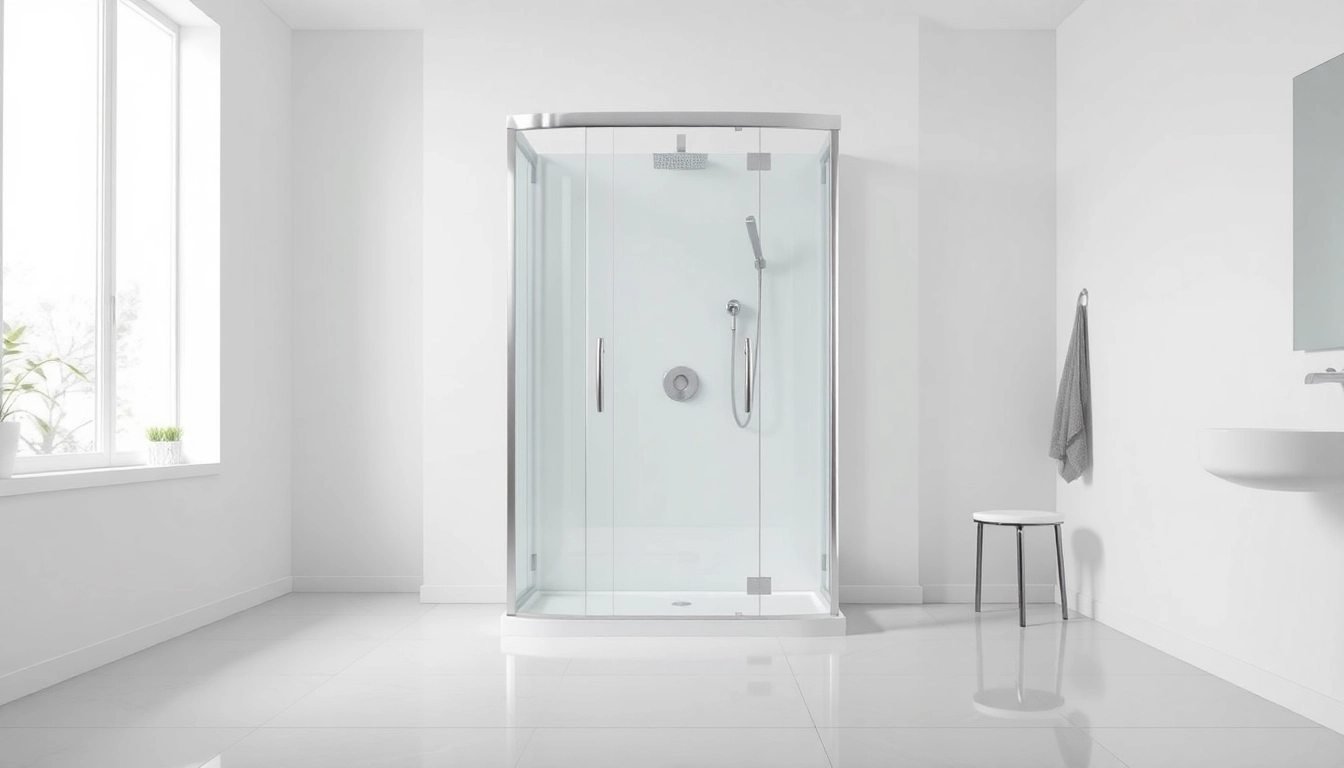
Today’s sliding shower doors come in a variety of styles and finishes, allowing homeowners to choose options that best fit their decor preferences. From sleek, frameless designs to more traditional framed patterns, these doors can significantly elevate a bathroom’s overall aesthetic. Glass options vary as well, with options such as frosted, clear, or tinted glass to create a desired ambiance. With customization options available, sliding doors not only meet functional needs but can also transform a mundane space into a stunning showcase of modern design.
Choosing the Right Sliding Shower Doors
Glass Types
The type of glass you choose for sliding shower doors significantly impacts both safety and style. Tempered glass is often recommended due to its durability; it operates under higher strength standards and shatters into small, harmless pieces if broken. Given its safety features, this glass is ideal for family bathrooms. Options also include laminated glass, which adds extra protection against shattering, and tinted glass that offers added privacy without sacrificing light. Assessing the bathroom’s lighting and user needs can help determine the most suitable glass for your sliding doors.
Frame Options
The frame of sliding shower doors can alter not just their look but also their functionality. Traditional frames, often made from aluminum, provide structural support while offering various finishes to match your bathroom fixtures. Frameless designs, on the other hand, offer a sleek, modern appearance and create a more open feel. However, they can be more challenging to install and may require careful maintenance. When choosing a frame, consider your overall design theme, maintenance level, and budget to ensure you select a frame that fulfills all your needs.
Size Considerations
Before deciding on sliding shower doors, measuring the shower space accurately is crucial. Standard sizes range from 54 inches to 72 inches wide, but custom options are available for unique spaces. Knowing the height and width of the shower opening will guide your selection process. Moreover, accounting for the door’s sliding mechanism should also be part of the measurement process, as some configurations may require additional clearance. Ultimately, choosing the right size ensures seamless functionality while contributing to the bathroom’s overall balance.
Installation Tips for Sliding Shower Doors
Preparing the Area
Proper preparation is key to successful installation of sliding shower doors. Start by measuring the space accurately, as noted previously, ensuring that you account for height, width, and depth. Before installation, make sure to clean and inspect the area where the shower doors will be installed. Additionally, confirm that the wall is level, as uneven surfaces can lead to improper fitting and functionality of the doors. Gathering all tools and having a clear layout plan can streamline the installation process.
Installation Steps
Installing sliding shower doors typically involves a few key steps. First, mark the desired position of the tracks on the wall using a level to keep everything straight. Next, attach these tracks securely using appropriate screws. Once the tracks are in place, you can then insert the shower doors into their respective tracks, ensuring that both doors are aligned correctly and can slide effortlessly. Finish off the installation by fitting any handles and sealing gaps to prevent water leaks. Each installation may vary slightly based on the door type, so always refer to specific manufacturer guidelines.
Common Mistakes to Avoid
Installing sliding shower doors may seem straightforward, but certain mistakes can lead to serious issues down the line. One common error is not measuring accurately, leading to a final setup that doesn’t fit well or operates smoothly. Another mistake is failing to read the manufacturer’s installation guide thoroughly; each door type may have unique installation requirements. Additionally, neglecting to seal the doors correctly can result in water damage to the surrounding areas. Dedicating time to research and preparation can save headaches in the future.
Maintenance for Longevity
Cleaning Guidelines
To maintain the beauty and functionality of sliding shower doors, regular cleaning is essential. Make a habit of wiping down the doors after each use, which prevents soap scum and hard water stains from building up. For deep cleaning, a mixture of vinegar and water can effectively break down tough stains without harming the glass or frame. Use a soft cloth or sponge to avoid scratching surfaces. Additionally, focus on cleaning the tracks and rollers, as debris buildup can affect sliding functionality.
Addressing Wear and Tear
It’s important to pay attention to signs of wear and tear on sliding shower doors. Look for scratches, chips, or any misalignment of the doors. Inspect the wheels and tracks regularly to ensure that they are clean and operating smoothly. If you notice any resistance when opening or closing the doors, consider lubricating the tracks with a silicone spray. Additionally, any cracks in the glass should be addressed immediately to prevent further damage or potential accidents. Regular inspections and quick actions can prolong the life of your shower doors.
When to Replace
Knowing when to replace sliding shower doors is crucial for safety and aesthetic appeal. Signs that indicate it may be time for a replacement include significant cracks or chips in the glass, difficulty sliding, or damage to the frame that cannot be repaired. If the seals around the doors begin to fail, leading to leaks, this also signals a need for replacement. Generally, if maintenance efforts are no longer yielding satisfactory results, investing in new sliding shower doors can enhance both functionality and style in your bathroom.
FAQs about Sliding Shower Doors
What materials are best for sliding shower doors?
Choosing tempered glass for durability and safety is ideal, with frames in aluminum or stainless steel for a sleek finish.
Can sliding shower doors fit in any shower space?
Sliding shower doors work in various spaces, but it’s essential to measure accurately for a proper fit.
How do I clean sliding shower doors effectively?
A mixture of vinegar and water works wonders to remove soap scum and water spots, keeping your doors sparkling.
Are sliding shower doors safe?
Yes, sliding shower doors are safe when made from tempered glass and installed correctly to prevent accidents.
How can I prevent mold and mildew in my shower?
Ensure proper ventilation and regularly clean your shower to combat mold and mildew build-up.