The Emergence of AI in Creative Arts
The integration of artificial intelligence (AI) into creative arts has become a transformative phenomenon, not only reshaping how art is created but also redefining the very essence of creativity itself. As we venture into an era where machines can generate artistic content, the question arises: what does this mean for traditional artists and the art world at large? Within this context, the exploration of ai slut becomes pivotal in understanding the convergence of technology and artistry.
What is AI art and its significance?
AI art refers to artwork created with the assistance of artificial intelligence tools. These tools leverage algorithms to analyze existing artistic styles and generate new content, ranging from visual art and music to literature. The significance of AI art lies in its ability to democratize creativity, allowing individuals who may lack traditional artistic skills to express themselves through digital mediums. Furthermore, it challenges the notion of authorship and originality, prompting discussions around the value of human vs. machine-made art.
Understanding the evolution of AI in creativity
The journey of AI in creative arts began in the late 20th century with simple algorithms designed for basic tasks. As computational power increased, more sophisticated AI models emerged, capable of analyzing vast datasets to mimic human creativity. Today, AI applications such as generative adversarial networks (GANs) and deep learning have opened new avenues for artistic expression, resulting in groundbreaking work that continues to push the boundaries of what we perceive as art.
Key players and technologies shaping AI artistry
Several key players in the tech industry have significantly influenced the development of AI in arts. Companies like OpenAI, Google, and DeepMind have pioneered research in machine learning and neural networks, leading to the creation of platforms that allow artists to collaborate with AI. Additionally, software applications like DALL-E and RunwayML have made it easier for artists to create stunning visuals by simply inputting textual descriptions, highlighting how technology can augment human creativity.
Common Misconceptions about AI Artistry
Despite its growing popularity, misconceptions about AI artistry persist. Many believe that AI-generated content lacks the emotional depth of human-created art or that using AI diminishes an artist's skill. These misunderstandings often stem from a limited view of what constitutes creativity and artistry.
Is AI art really “art”?
This question has sparked numerous debates within the art community. While purists argue that true art should stem from human emotion and experience, proponents of AI art assert that the collaborative process between human and machine can yield innovative outcomes. Ultimately, the definition of art is subjective and will continue evolving as technology advances.
Challenges faced by traditional artists
Many traditional artists find themselves navigating a landscape transformed by technology. The emergence of AI tools can foster insecurity, as the fear of being overshadowed by machine-generated works looms large. Additionally, the rising popularity of AI art projects raises questions about market dynamics and the financial viability of traditional art forms, challenging artists to adapt and evolve.
Debunking myths around AI creativity limitations
Critics often argue that AI lacks true creativity, claiming it merely imitates existing styles. However, AI can produce novel combinations and generate unique artworks that are entirely different from what it has been trained on. By examining the creative outputs of AI, it becomes evident that machine-generated art can spark inspiration and collaboration rather than serve as mere imitation.
Best Practices for Integrating AI in Art Creation
For artists interested in integrating AI into their creative processes, understanding best practices is essential to maximize the potential of this technology.
Selecting the right AI tools for artists
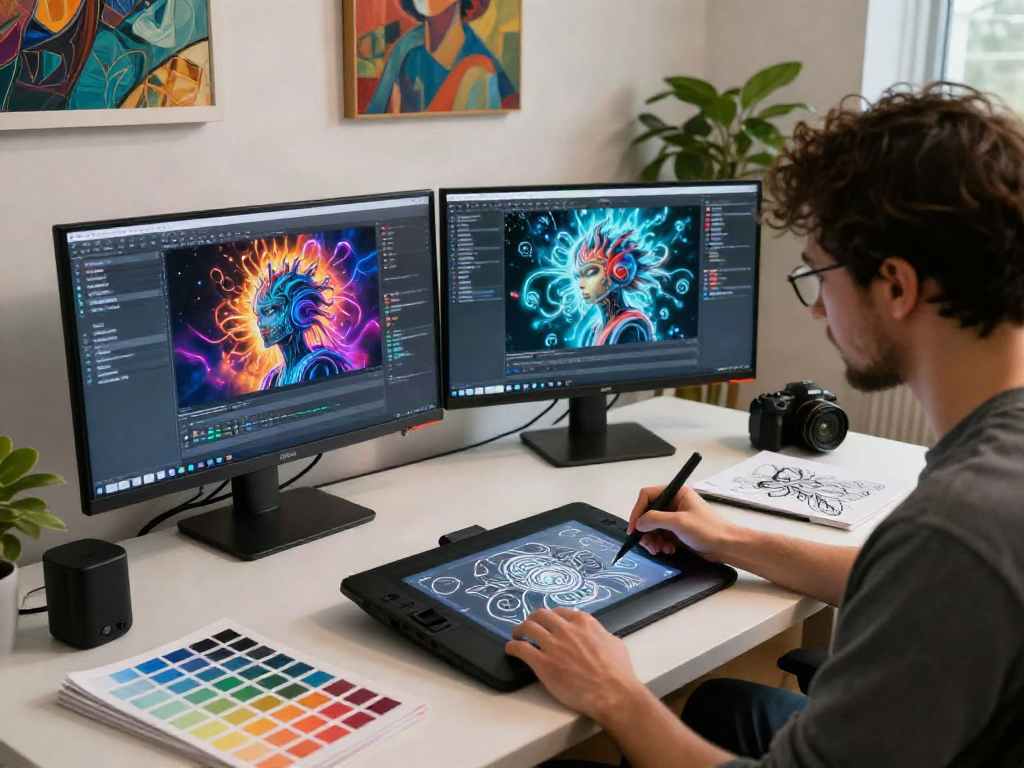
Choosing the appropriate AI tools is crucial for artists looking to enhance their workflows. Various AI platforms cater to different artistic needs, whether it’s generating visuals, composing music, or even writing. Artists should thoroughly explore options such as Adobe Sensei for design, Amper Music for music production, and OpenAI’s GPT models for text generation, finding those that align with their creative vision.
Collaborative approaches to AI and human creativity
Rather than seeing AI as a replacement, artists should approach it as a collaborator. Traditional techniques can be combined with AI-generated outputs to create hybrid works that reflect both human intuition and machine efficiency. This form of collaboration can lead to innovative and imaginative results that neither party could achieve alone.
Case studies of successful AI art projects
Several high-profile projects exemplify the successful integration of AI in art. One notable example is the "Edmond de Belamy" portrait created by the Paris-based art collective Obvious, which sold for over $432,000 at auction. This project showcased how AI could produce unique pieces that challenge conventional norms. Another example is the AI-assisted music composition by AIVA, demonstrating how technology can enhance creativity in the music industry.
Measuring Success in AI Art Projects
As the field of AI art continues to grow, establishing metrics for measuring success is essential. Understanding audience reception and engagement can guide artists in their creative endeavors.
Key performance indicators for evaluating AI artwork
Artists and producers should consider several key performance indicators (KPIs) when assessing AI-generated works. These may include audience engagement rates, social media shares, and feedback from critics and art institutions. Additionally, sales metrics can provide insight into the commercial viability of AI art.
Assessing audience engagement and feedback
Gathering feedback from viewers is a valuable way to gauge the impact of AI art. Artists can utilize surveys, social media interactions, and art exhibitions to collect insights into audience perceptions. This feedback can inform future projects and help bridge the gap between traditional and AI-driven art forms.
Long-term impacts on the art industry
The long-term implications of AI in the art industry are profound. As technology becomes more integrated into creative practices, the market dynamics may shift, influencing how art is valued and produced. Traditional galleries may need to adapt by showcasing AI-generated works alongside human creations, reshaping the art landscape.
The Future of AI in Arts and Creativity
Looking ahead, the future of AI in creative arts is filled with potential. Emerging technologies and shifting cultural attitudes will shape how artists invent and engage with their audiences.
Emerging trends in 2026 and beyond
As we approach 2026, several trends are likely to dominate the AI art scene. Expect to see increased integration of augmented reality (AR) and virtual reality (VR) in artistic experiences, allowing audiences to engage with art in immersive settings. Additionally, the rise of decentralized platforms for artists will provide new opportunities for showcasing and monetizing AI-driven creations.
How will AI affect the role of artists?
The role of artists will likely evolve as they adapt to new tools and technologies. Rather than replacing human artists, AI is expected to augment their creative processes, enabling them to explore new territories and experiment with innovative mediums. The ongoing dialogue between human creativity and AI will foster a more collaborative art ecosystem.
Predictions for AI advancements in artistic expression
As AI technologies continue to develop, we can expect breakthroughs in generative art, predictive algorithms for audience trends, and even emotional recognition systems that tailor artwork based on viewer responses. These advancements will redefine how art is created and experienced, expanding the frontiers of artistic expression.
What are the ethical considerations?
With the rise of AI in art comes a host of ethical considerations. Questions around copyright, ownership, and the implications of machine-generated content must be addressed. Artists and technologists must engage in conversations about the ethical use of AI, ensuring that creators' rights are respected and that the technology is employed responsibly.
How to prepare for future AI collaborations?
Artists should actively seek to educate themselves about AI technologies and their potential applications. By staying informed about trends and developments, artists can proactively adapt their practices to embrace AI as a tool rather than viewing it as a threat. Networking with technologists and participating in workshops can facilitate successful collaborations, paving the way for a future where human creativity and AI coexist harmoniously.