Understanding the Role of a Manhattan Construction Manager
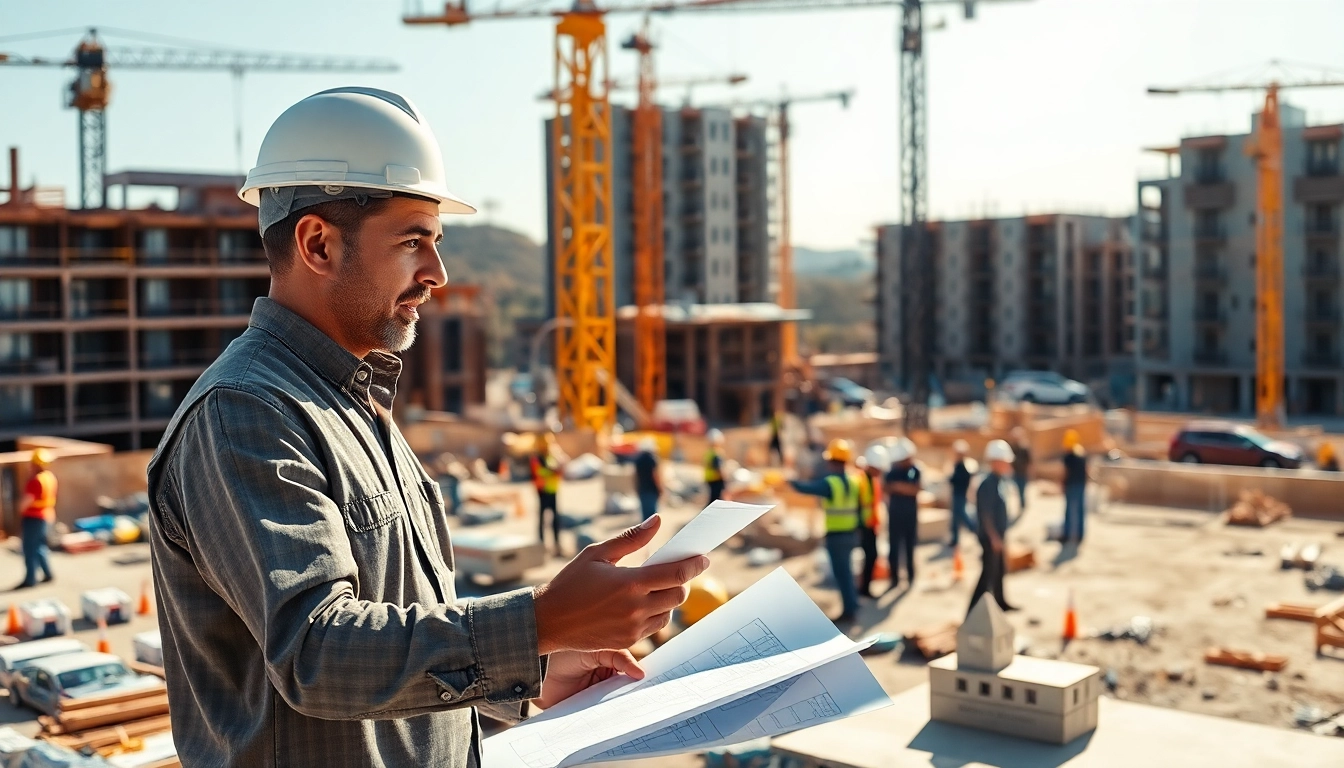
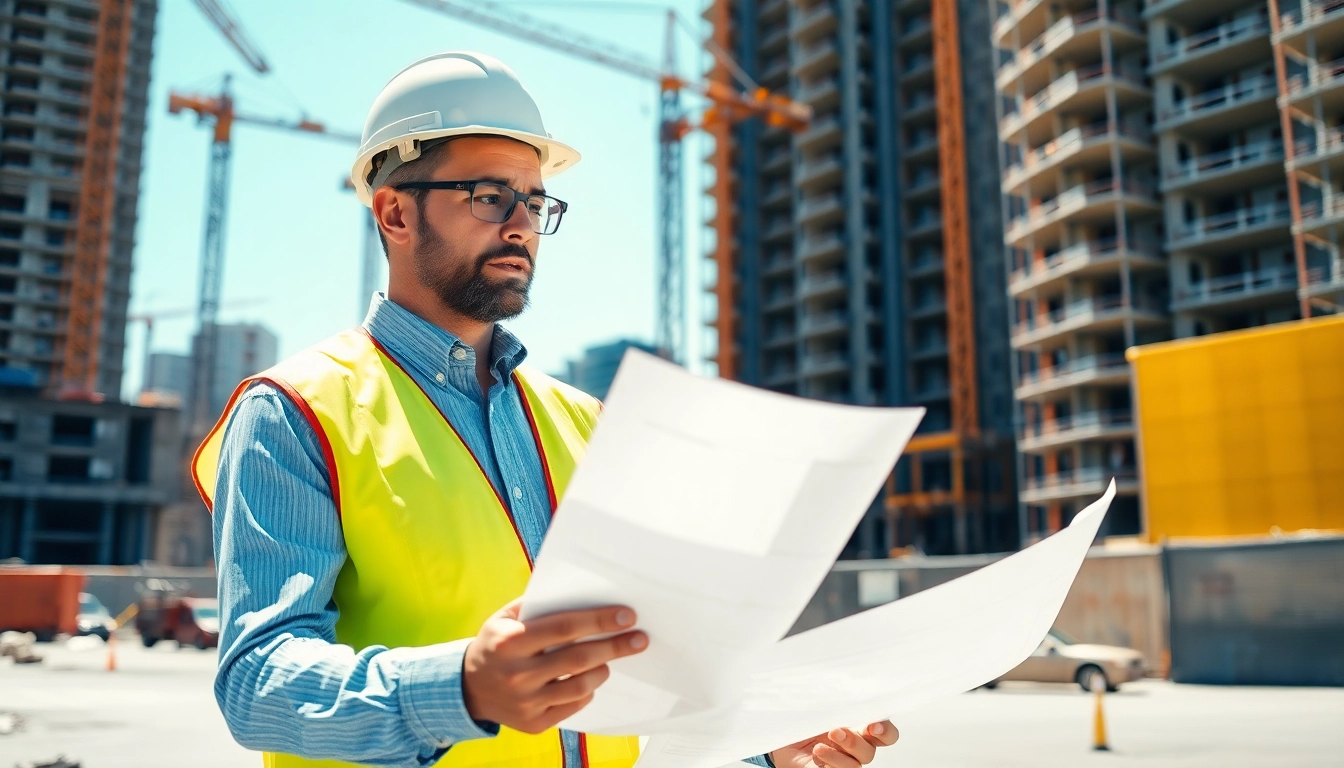
The role of a Manhattan Construction Manager is pivotal in ensuring that projects are completed on time, within budget, and to the required standards of quality. This position involves comprehensive oversight from the inception of the planning stage to the final touches of project completion. Effective management within the complex landscape of Manhattan's construction scene requires a mix of technical knowledge, leadership abilities, and interpersonal skills. Fundamentally, a Manhattan Construction Manager orchestrates various dimensions of project management, making them integral to the success of constructions in the city.
Key Responsibilities and Skills
At the heart of the Manhattan Construction Manager's responsibilities lies the ability to coordinate multiple tasks effectively. Key responsibilities include:
- Project Planning: Developing comprehensive project plans that outline stages, timelines, and deliverables.
- Resource Management: Efficiently allocating resources, including labor, materials, and equipment.
- Budgeting: Creating and managing project budgets, ensuring financial resources are allocated wisely.
- Quality Control: Implementing measures to maintain high-quality standards throughout the construction process.
- Stakeholder Communication: Liaising with architects, engineers, subcontractors, and clients to ensure alignment and address issues promptly.
To excel in this capacity, essential skills include problem-solving, analytical thinking, negotiation, and a deep understanding of construction methodologies and regulations. An adept Manhattan Construction Manager must also possess leadership qualities that inspire teams and foster a collaborative work environment.
The Importance of Communication
Effective communication is the backbone of successful construction management. The ability to convey information clearly among all stakeholders reduces misunderstandings and helps mitigate conflicts. Construction schedules, changes in plans, safety procedures, and compliance requirements must be articulated clearly in order to maintain project momentum.
Moreover, fostering an open line of communication encourages team members to speak up about challenges early, allowing for proactive problem-solving. Regular briefings, status updates, and feedback sessions embody best practices that support a transparent communication framework.
Balancing Budget and Time Constraints
One of the most challenging aspects of a Manhattan Construction Manager's role is balancing a tight budget with strict deadlines. Successful managers must adopt a proactive approach to budget management, which includes regular monitoring of expenditures against anticipated costs.
By utilizing project management tools such as Gantt charts and software that specializes in construction schedules, a Manhattan Construction Manager can anticipate potential delays and make timely adjustments to keep the project on track. Innovative strategies, like phased budgeting and value engineering, can also optimize resource usage without compromising quality.
Best Practices for Project Planning
Meticulous project planning sets the foundation for success in any construction endeavor. The following best practices are crucial for any Manhattan Construction Manager aiming to streamline operations and maximize effectiveness.
Setting Clear Objectives
Clear objectives provide a roadmap for the entire project. This entails not only defining the desired outcomes but also establishing measurable benchmarks to assess progress. By ensuring that every team member understands their roles and responsibilities in achieving these goals, a cohesive and focused team environment is established.
Regularly revisiting these objectives throughout the project lifecycle allows for adjustments based on current conditions and prevents scope creep.
Choosing the Right Team
Selecting a qualified and experienced construction team is critical. A successful Manhattan Construction Manager must conduct thorough vetting processes that evaluate both technical skills and cultural fit, as teamwork often dictates project success.
Moreover, ongoing training and development opportunities should be provided, fostering a knowledgeable workforce that is adaptable to new technologies and processes in the field. Building a skilled team can lead to enhanced performance, better problem-solving capacities, and higher work satisfaction.
Utilizing Technology Effectively
In today's fast-paced construction environment, leveraging technology is essential. Tools such as Building Information Modeling (BIM), project management software, and mobile applications can significantly enhance coordination.
Implementing these technologies allows real-time communication and updates, which is especially important in a dynamic urban construction landscape like Manhattan. Effective use of technology simplifies processes, reduces errors, and improves productivity across all project phases.
Challenges Faced by Manhattan Construction Managers
Construction management in Manhattan presents a unique set of challenges, often due to the city's dense urban environment and regulatory complexities. Addressing these challenges head-on will define the efficacy of any Manhattan Construction Manager.
Dealing with Unexpected Delays
Unforeseen delays can stem from various factors such as weather conditions, supply chain disruptions, or regulatory holdups. A seasoned Manhattan Construction Manager must develop contingency plans to address such delays, ensuring that the project remains on schedule despite interruptions.
Employing a flexible project timeline with buffer periods and maintaining strong relationships with suppliers and subcontractors can mitigate the repercussions of unexpected delays, ensuring continuity.
Managing Resource Allocation
Resource allocation plays a critical role in maintaining project momentum. Construction managers must continually assess current needs and reallocate resources to where they are most needed, which may involve balancing immediate tasks with long-term project goals.
Utilizing resource management software can aid in tracking resource levels, availability, and utilization, thereby enabling informed decision-making that optimizes productivity.
Legal and Safety Considerations
Adherence to safety regulations and legal requirements is non-negotiable within the construction industry. A Manhattan Construction Manager must remain vigilant regarding local laws, construction codes, and industry standards.
Regular safety audits, worker training, and compliance checks are imperative to create a safe work environment and avoid potential legal issues. Staying informed about changes to regulations ensures that projects proceed legally and ethically, protecting both workers and the organization.
Case Studies of Successful Projects
Examining case studies of successful construction projects provides invaluable insights into effective strategies, innovative solutions, and lessons learned. These real-world scenarios illustrate the impacts of best practices in action.
Innovative Solutions in Action
One notable example of innovation in Manhattan construction is the adaptive reuse of existing buildings. Converting historical structures into modern spaces demonstrates not only environmentally sustainable practices but also reflects creativity in overcoming logistical constraints. By preserving cultural heritage while enhancing functionality, these projects often see greater community support and investment.
Lessons Learned from Failures
Not all projects go as planned; failures can act as powerful learning tools. Analyzing projects that faced challenges or setbacks helps identify the pitfalls to avoid. Often, failures arise from inadequate planning, miscommunication, or insufficient risk management. Utilizing lessons from failed endeavors empowers future projects to implement proactive strategies that enhance resilience.
Impact of Sustainable Practices
The incorporation of sustainable practices within construction projects is increasingly important in New York City. By employing green building techniques, such as using recycled materials, optimizing energy efficiency, and planning for long-term sustainability, both environmental and economic benefits are achieved. Projects that embody sustainability often see improved public perception and compliance with local regulations.
Future Trends in Construction Management
As the construction industry evolves, it is imperative for Manhattan Construction Managers to stay ahead of emerging trends to maintain competitiveness and efficiency.
The Rise of Smart Technology
The adoption of smart technologies, such as IoT devices and AI-driven analytics, is revolutionizing construction management. These innovations provide real-time data collection and analysis that enhance decision-making, increase efficiency, and reduce operational costs. Managers must embrace these technologies to streamline processes and leverage insights that inform future projects.
Emphasis on Sustainability
Sustainability is no longer an option but a necessity. Future projects must integrate sustainable practices into their design and operation. This trend not only encompasses energy-efficient designs but also incorporates renewable energy sources, sustainable materials, and waste reduction strategies. Understanding environmental regulations and community impact will be key for future-focused construction managers.
Workforce and Training Evolution
The construction workforce is undergoing significant changes, with a stronger emphasis on the need for skilled laborers familiar with advanced technology. Continuous training and development programs are essential to equip workers with the necessary skills to adapt to evolving construction methods. Furthermore, fostering a diverse and inclusive workforce can enhance innovation and address labor shortages prevalent in the industry.
FAQs
1. What qualifications does a Manhattan Construction Manager need?
A Manhattan Construction Manager typically needs a degree in construction management, civil engineering, or a related field, along with relevant experience and certifications.
2. How do construction managers handle project delays?
They prepare contingency plans, maintain open communication with the team, and adjust timelines and resources as necessary to manage delays effectively.
3. Why is communication so important in construction management?
Effective communication ensures all stakeholders are aligned, minimizing misunderstandings and promoting timely decision-making throughout the project lifecycle.
4. What role does technology play in construction management?
Technology enhances project planning, communication, and resource management, allowing for improved efficiency and accuracy in operations.
5. How can a construction manager promote sustainability?
A construction manager can promote sustainability by integrating green building practices, optimizing for energy efficiency, and ensuring compliance with environmental regulations.